
Diabetic Eye Exams in Fort Myers: What Your Optometrist Looks for During a Dilated Retinal Scan
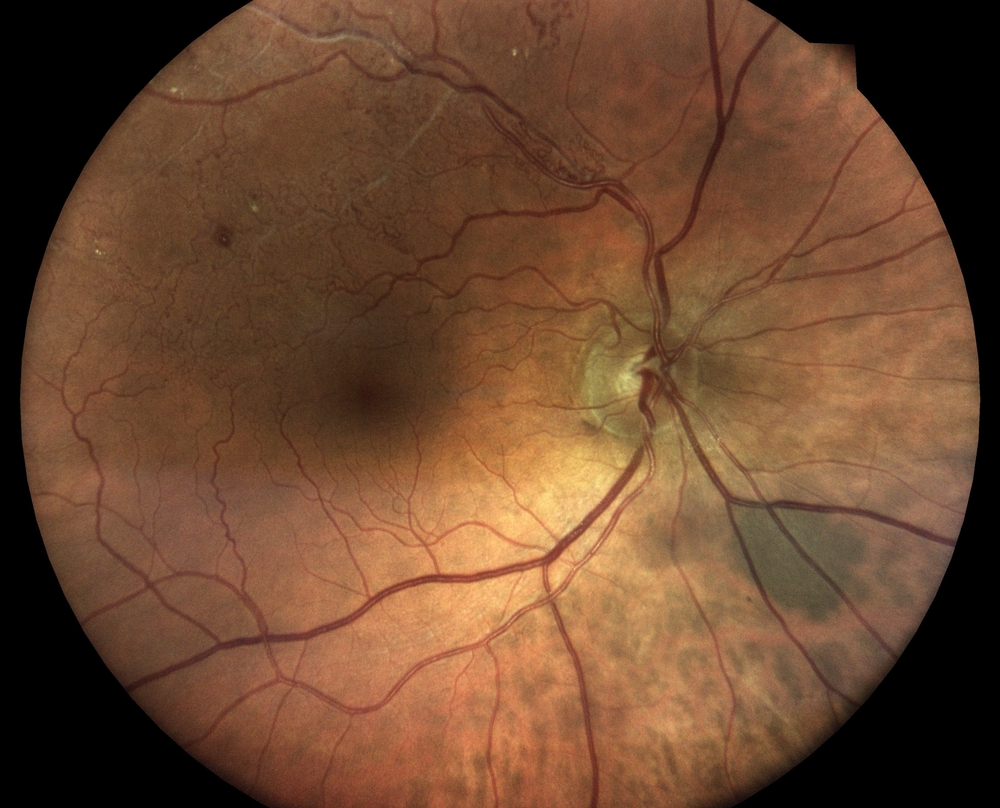
Diabetes can affect more than blood sugar - it can also cause changes inside the eyes that may develop before you notice problems with your vision. At Underhill Eyecare, diabetic eye exams in Fort Myers allow us to closely examine the retina and look for early signs of diabetes-related eye disease.
A dilated retinal examination gives us a wider view of the structures at the back of your eye, where diabetes can affect delicate blood vessels. Diabetic retinopathy often causes no symptoms in its earliest stages, which is one reason regular comprehensive dilated eye exams are important for people with diabetes.
What Happens During a Dilated Diabetic Eye Exam?
During dilation, eye drops temporarily widen your pupils so we can examine more of the retina, macula, optic nerve, and surrounding structures. Depending on your individual needs, retinal photographs or other noninvasive imaging may also be used to document the health of the retina and monitor changes over time. Your vision may be blurry or more sensitive to light for several hours after dilation, so bringing sunglasses can make the trip home more comfortable.
What Are We Looking for in the Retina?
Diabetes can damage the small blood vessels that supply the retina. During your diabetic eye exam, we carefully look for changes that may indicate diabetic retinopathy or other complications, including:
• Small areas of bleeding within the retina
• Leaking or damaged retinal blood vessels
• Swelling in or around the macula
• Abnormal new blood vessel growth
• Changes involving the optic nerve
• Signs of retinal scarring or other damage
Swelling of the macula, known as diabetic macular edema, can occur when damaged blood vessels leak fluid into this central area of the retina. Because the macula is responsible for detailed central vision, swelling can interfere with activities such as reading and driving.
Why Exams Matter Even When Your Vision Seems Normal
Clear vision does not necessarily mean the retina is healthy. Early diabetic retinopathy frequently develops without noticeable symptoms, and changes can be present even when you still see well.
Regular diabetic eye exams give us an opportunity to compare retinal findings over time. If we identify a concerning change, we can discuss appropriate monitoring, additional testing, or referral to a retina specialist when necessary.
How Often Should You Have a Diabetic Eye Exam?
Many people with diabetes need a comprehensive dilated eye examination at least once a year, although your recommended schedule may vary based on your eye health, type of diabetes, duration of diabetes, and whether diabetic retinopathy has already been detected.
Routine eye care is an important part of managing your overall health with diabetes. Keeping up with recommended exams allows us to watch for subtle retinal changes and address concerns as early as possible.
Schedule your diabetic eye exam with Underhill Eyecare to protect your vision with attentive, personalized eye care. Visit our office in Fort Myers, FL, or call (239) 482-0355 to book an appointment today.
Quick Links
Helpful Articles

All Eye Care Services
Find personalized eye care excellence with our comprehensive services. From eye exams to advanced diagnostics, trust us for all your vision needs.

Keep In Touch
For non-urgent questions or to learn more about our services, contact us today!
© 2026 Underhill Eyecare. All rights Reserved - Accessibility Statement - Privacy Policy - Sitemap
Managed and Designed by 